
Private – Ali Omar
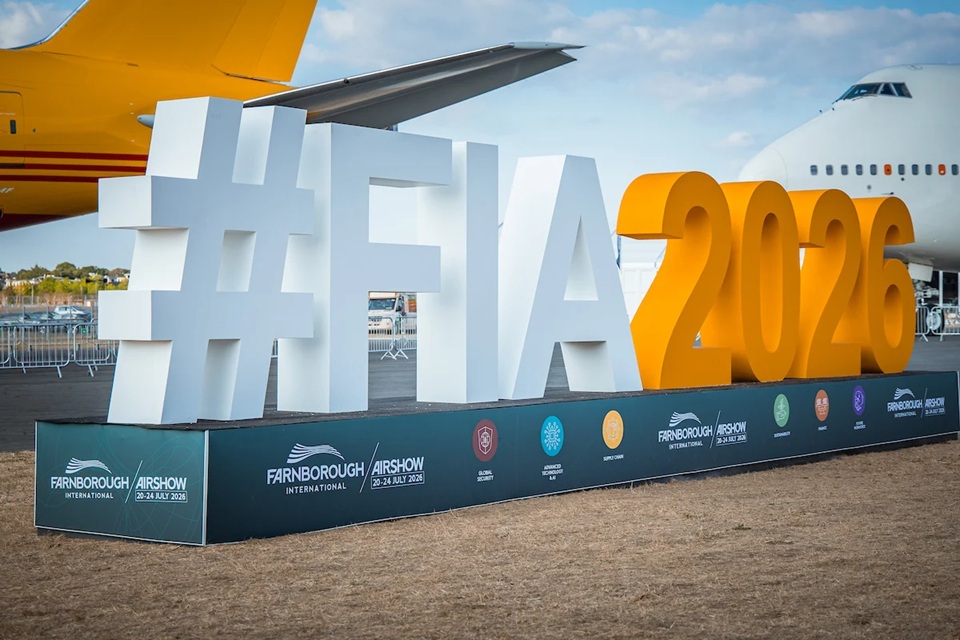
The Farnborough International Airshow (FIA) 2026 has concluded on a remarkable high, reinforcing its position as one of the world’s most influential aerospace and defence events. Beyond showcasing cutting-edge technologies and international collaboration, this year’s exhibition generated an impressive £62.9 billion in announced aircraft, engine, and helicopter orders, with approximately £10.8 billion directly benefiting UK industry through domestic content.
These figures reflect not only strong global commercial demand but also the growing strategic importance of Britain’s aerospace, defence, and space sectors. Throughout the four-day event, discussions extended well beyond commercial agreements, focusing on resilience, sovereign capability, innovation, cybersecurity, workforce development, and the future of advanced manufacturing.
Industry Growth Driven by Innovation
One of the strongest themes emerging from FIA 2026 was the industry’s commitment to technological advancement. From next-generation aircraft and autonomous systems to space technologies and secure software development, companies demonstrated how innovation is reshaping national security and commercial aviation alike.
The UK’s continued investment in aerospace research and industrial capability positions the country as a key player in meeting future global demand while strengthening domestic supply chains.
Tackling the Aerospace Skills Challenge
Recognizing the sector’s rapid expansion, ADS, together with major aerospace manufacturers, launched the nationwide “There’s Aerospace For You” recruitment campaign. The initiative aims to address an estimated 10,000 unfilled technical vacancies across the UK aerospace industry by encouraging the next generation of engineers, technicians, and manufacturing specialists to pursue careers in the sector.
The campaign highlights the growing demand for highly skilled professionals as aerospace companies continue to expand production and invest in emerging technologies.
Defence Modernization Accelerates
Defence innovation remained another major focus during the airshow. Among the headline announcements was the UK’s selection of TEKEVER’s AR5 unmanned aerial system under a programme valued at up to £400 million. The new platform will replace the Watchkeeper surveillance drone, providing the British Army with enhanced battlefield intelligence and reconnaissance capabilities.
Cybersecurity also featured prominently, with software developer AdaCore reporting increased demand from U.S. defence programmes for its Ada, SPARK, and Rust development toolchains. As governments increasingly prioritize memory-safe programming to protect critical systems, secure software engineering is becoming an essential component of modern defence infrastructure.
Expanding Britain’s Space Ambitions
The UK Government further reinforced its commitment to the space sector by announcing £62 million in funding to support innovation across satellite communications, space security, and advanced research. The investment is expected to strengthen collaboration between industry and academia while enhancing domestic capabilities in strategically important space technologies.
With space becoming increasingly critical to both commercial and defence operations, the funding represents another step toward establishing the UK as a leading space innovation hub.
Cyber Security Takes Centre Stage
Recognizing the evolving cyber threat landscape, the Ministry of Defence also announced a dedicated webinar covering updates to the Cyber Security Model Version 4 (CSMv4). The session will provide guidance on certification requirements, contractual obligations, and implementation across defence supply chains, helping organizations prepare for future compliance standards.
Additional Industry Highlights
Several other developments underscored the momentum within the UK’s aerospace and defence ecosystem:
- RAF Brize Norton’s £180 million modernization programme continues to transform Britain’s strategic air mobility operations while maintaining global deployment capability.
- Air traffic management specialist NATS secured a contract with Kuwait’s Directorate General of Civil Aviation (DGCA), supporting the country’s Vision 2035 modernization programme.
- Continued investment across defence software, autonomous systems, and aviation infrastructure reflects sustained confidence in long-term industry growth.
Looking Ahead
While Farnborough International Airshow 2026 has officially concluded, its impact is expected to shape the aerospace, defence, and space sectors for years to come. Record-breaking commercial agreements, significant government investment, and a renewed focus on innovation, workforce development, and sovereign capability demonstrate that the industry is entering a new phase of growth.
As global demand for advanced aviation, defence technologies, and space capabilities continues to accelerate, the partnerships and initiatives announced at FIA 2026 position both the United Kingdom and its international partners to play a leading role in defining the future of the sector.